


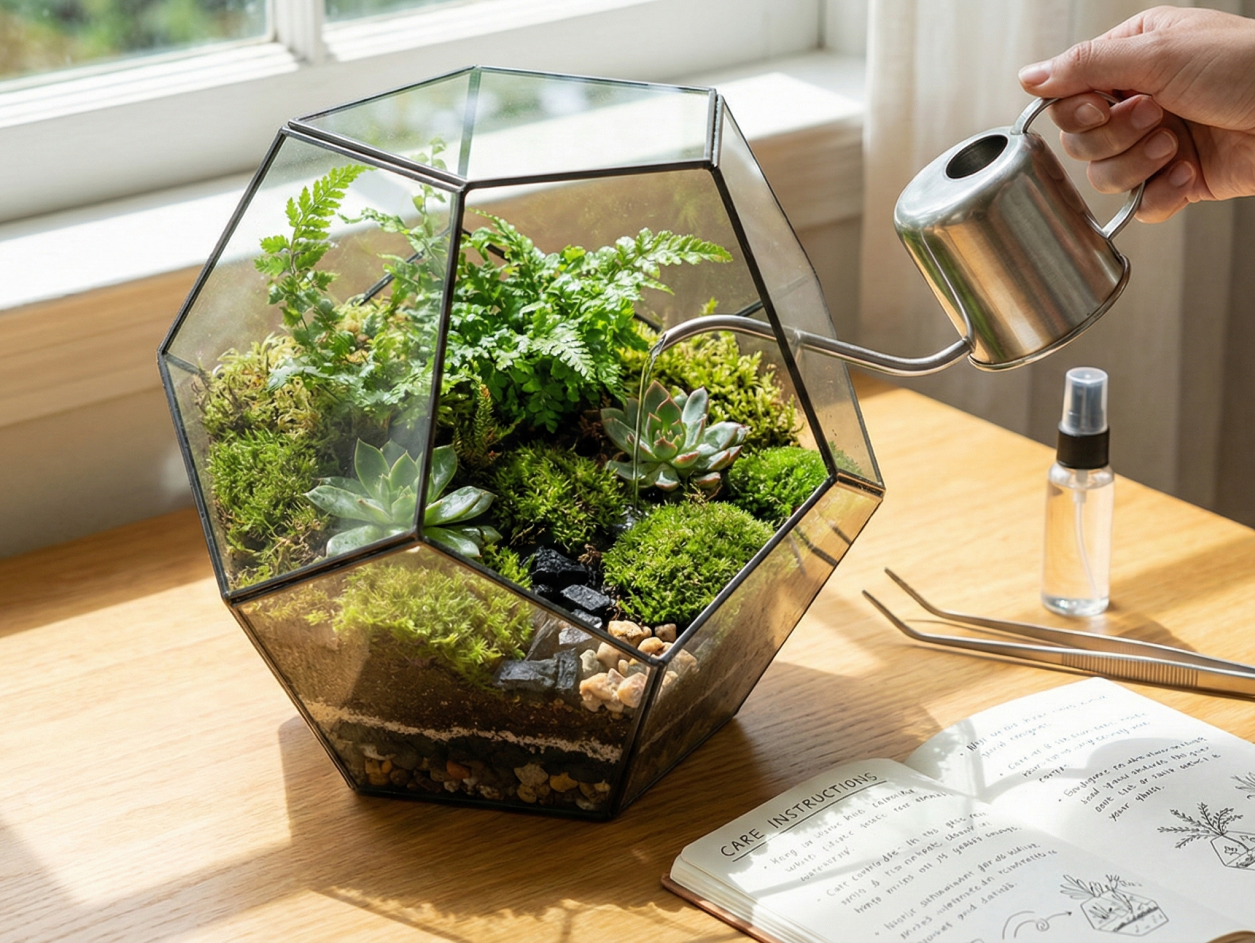
Congratulations, You Are Now the Guardian of a Tiny World!
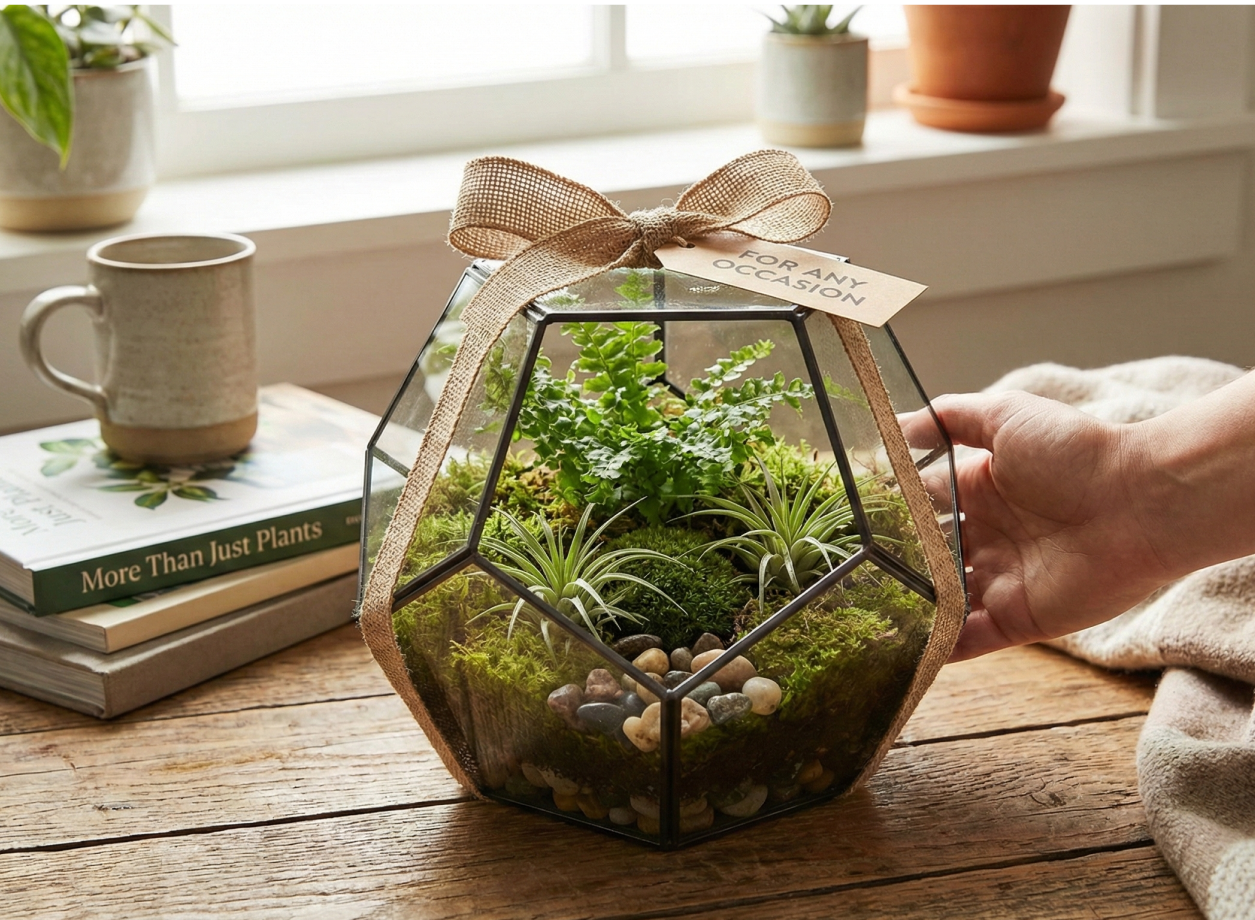
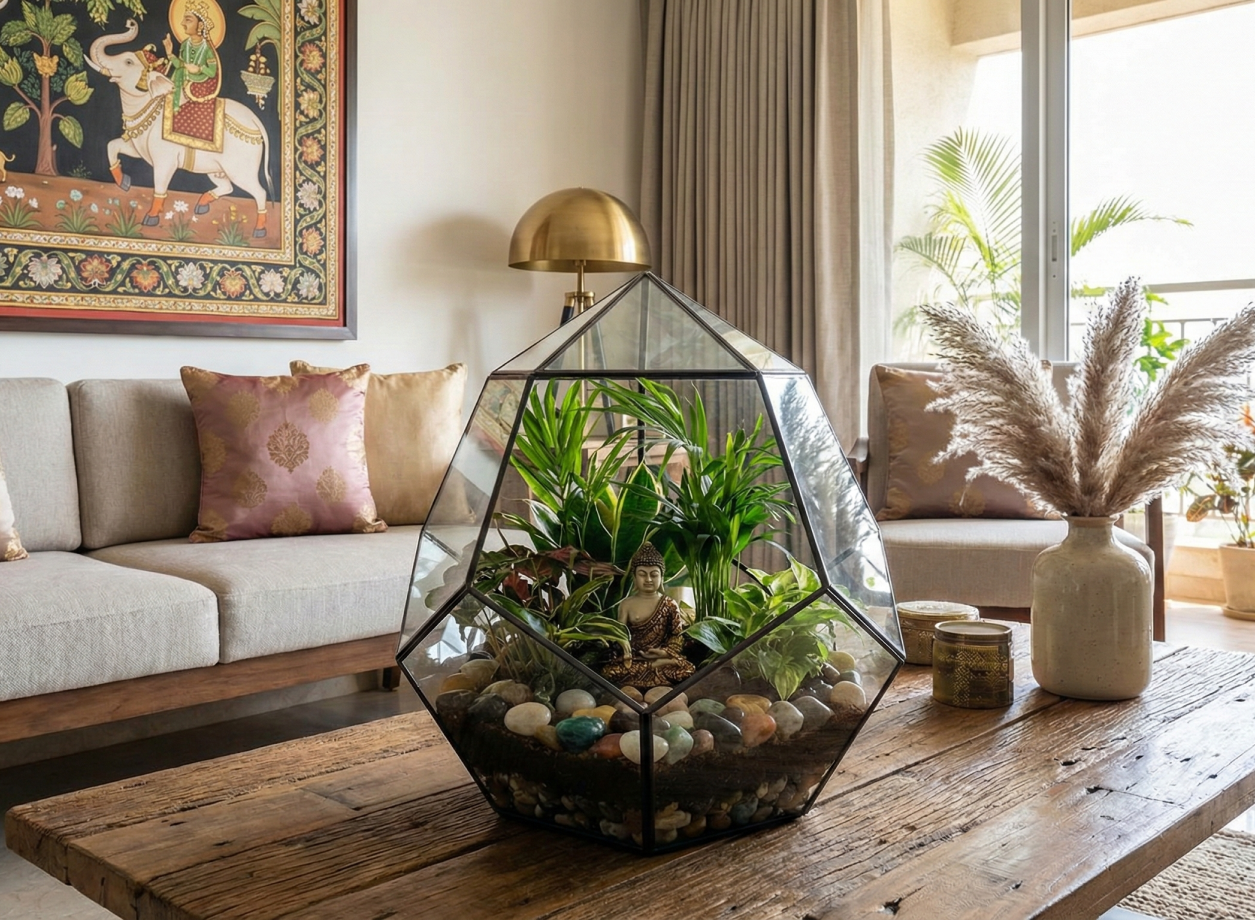
So, you have just bought a stunning terrarium from Mistileaf, or perhaps you were lucky enough to receive one as a gift. You’ve placed it on your desk or coffee table, admired the intricate layers of soil and stone, and gotten lost in the lush greenery behind the glass.
But now, a tiny question is nagging at the back of your mind: “How do I keep this thing alive?”
We get it. For many people, the fear of killing a houseplant is real. But here is the good news: Terrariums are designed to be the “lazy gardener’s” best friend. Unlike standard potted plants that demand daily attention, a well-built terrarium is a self-sustaining ecosystem that does most of the hard work for you.
However, “low maintenance” doesn’t mean “no maintenance.” Based in Kolkata, we at Mistileaf know that the Indian climate—with its heat and varying humidity—requires a specific approach.
Here is your comprehensive guide to keeping your Mistileaf terrarium happy, healthy, and thriving for years to come.
1. The Golden Rule of Light: Bright, Not Burning
Lighting is the engine that runs your terrarium. But there is a common misconception that “plants need sun, so I should put this on the windowsill.”
Stop! Never place your glass terrarium in direct, harsh sunlight.
The Science: The glass acts like a magnifying glass. If you place a terrarium in the direct afternoon sun (especially in Indian summers), the temperature inside the jar will skyrocket, essentially cooking your plants. This is the “Greenhouse Effect” gone wrong.
The Mistileaf Tip:
- Best Spot: Place your terrarium in a spot with bright, indirect light. A north or east-facing window is perfect. They love natural light, but they don’t want to be sunbathing.
- Artificial Light: If your room is dark, don’t worry. Terrariums thrive under LED grow lights or even bright desk lamps if kept on for 8-10 hours a day.
2. Water: The Art of Restraint
The number one killer of terrariums is not neglect; it is over-love (aka overwatering). How you water depends entirely on which type of Mistileaf terrarium you own.
A. The Closed Terrarium (Tropical/Moss/Ferns)
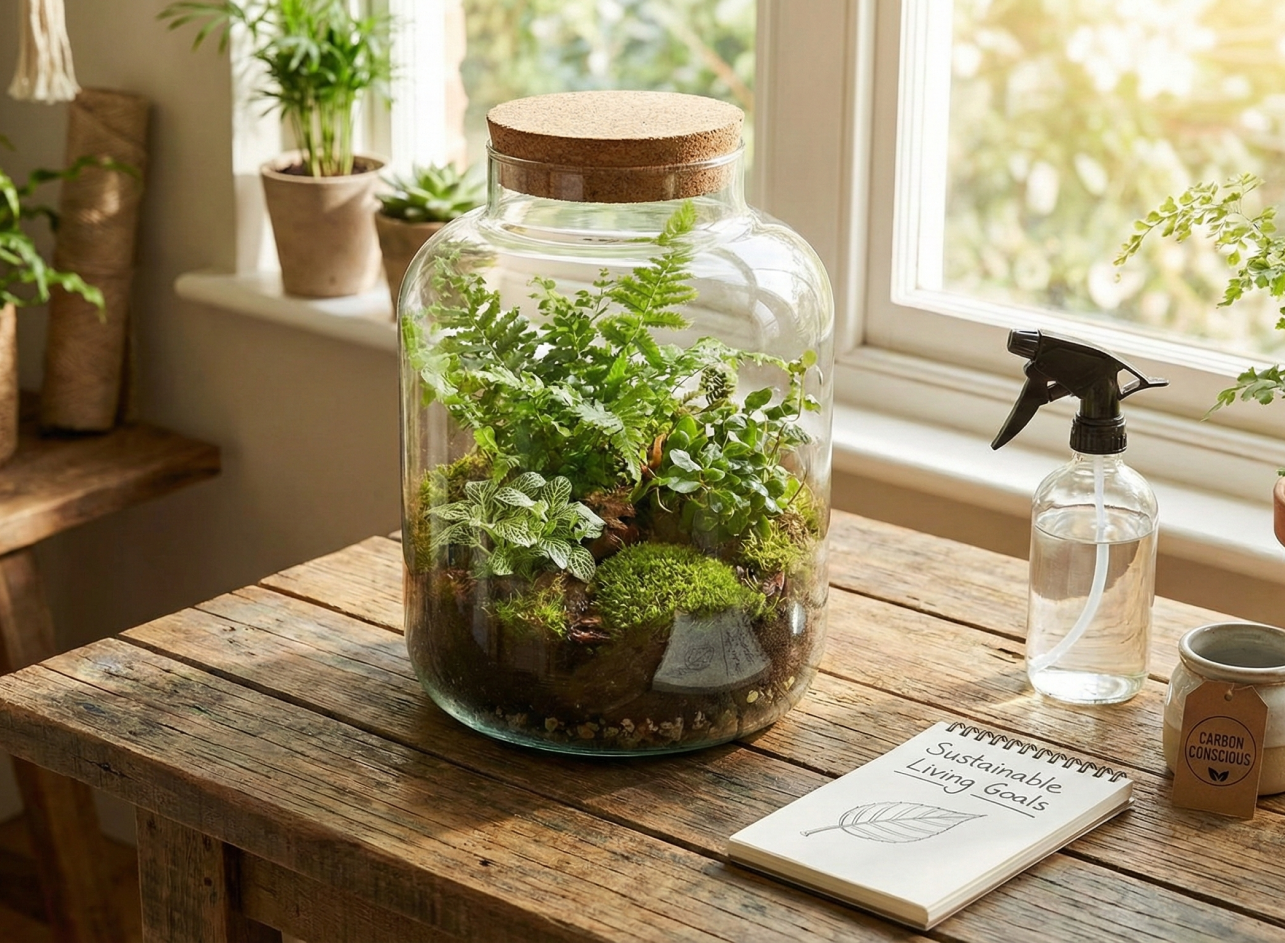
These are the humidity lovers. A closed terrarium creates its own water cycle. The plants “sweat” (transpiration), the moisture hits the glass, condenses, and drips back down to water the roots.
- When to water: Hardly ever! If you see condensation (fog) on the glass in the morning and it clears up by evening, the water level is perfect. You might only need to add a teaspoon of water once every 2 to 4 months.
- The “Fog” Test: If the glass is foggy all day long, it’s too wet. Open the lid for 12 hours to let some moisture escape. If there is no condensation ever, give it a light spray.
B. The Open Terrarium (Succulents/Cacti)
These are arid, desert-style landscapes. They require airflow and hate humidity.
- When to water: Only when the soil is completely bone dry. In Kolkata’s humid monsoon, you might not water these for weeks. In dry winters, maybe once every 10-14 days.
- How to water: Use a syringe or a dropper to target the soil directly. Avoid getting water on the leaves of the succulent, as this can cause rot.
3. Temperature and Airflow
Since we are based in India, we have to talk about heat and Air Conditioning.
- The AC Factor: Most indoor plants love a stable environment. Do not place your terrarium directly in the path of an AC vent. The blast of cold, dry air can shock the plants.
- Heat: Similarly, keep them away from heaters or kitchen appliances that radiate heat.
- Kolkata Humidity: If you have an Open Terrarium in a humid city like Kolkata or Mumbai, ensure it is in a well-ventilated room. Stagnant, humid air is the enemy of succulents.
4. Grooming: The Occasional “Haircut”
Your Mistileaf terrarium is a living thing, which means it will grow. Eventually, a fern frond might press against the glass, or a ground-cover plant might get too adventurous.
- Pruning: If leaves are smushed against the glass, they can collect moisture and rot. Use a pair of long tweezers or small scissors to snip off overgrown leaves. This keeps the aesthetic clean and prevents fungal issues.
- Cleaning the Glass: Over time, hard water stains or dust might settle on the glass. Use a microfiber cloth to wipe the outside. For the inside, if you have a closed jar, use a piece of cotton on long tweezers to wipe away sludge or dirt from the glass walls.
5. Troubleshooting: Don’t Panic!
Even the best plant parents run into issues. Here are quick fixes:
- Yellow Leaves: Usually a sign of overwatering or soil that is too soggy. Open the lid (if closed) and let it dry out.
- Brown/Crispy Leaves: Usually a sign of underwatering or too much direct sun. Move it to the shade and give it a mist.
- White Fuzz (Mold): This happens in closed terrariums. Don’t throw the terrarium away! It’s just a fungus feeding on organic matter. Scoop it out with a spoon, leave the lid open for a day, and maybe wipe the area with a q-tip dipped in a little hydrogen peroxide.
Final Thoughts
Taking care of a terrarium is a rewarding experience. It forces you to slow down and observe the small details—a new leaf unfurling, the moss spreading, the way the light hits the stones.
At Mistileaf, we build our terrariums with premium activated charcoal layers and specialized soil mixes to ensure they have the best possible start in life. The rest is up to you. Trust your instincts, observe your plants, and remember: when in doubt, do less, not more.
Have a specific question about your plant? Snap a photo and DM us on Instagram! We are always here to help your green world grow.
If this guide inspired you to begin your succulent journey, take a look at our lovingly handcrafted terrariums at Mistileaf.
🌿 Browse our collection: https://mistileaf.com/products
Love plant inspiration and terrarium ideas?
🌿 Join us on Instagram: https://www.instagram.com/misti.leaf/